ZIYUAN

Enquiry
0
INQUIRY

 English
-
 English
 -
Français
-
한국어
-
日本語
-
IndonesiaName
-
Polski
-
Deutsch
-
Português
-
Español
-
Tiếng Việt


Send Your Inquiry Today
Thanks for Your Inquiry, We will Get back to You within 8 Working Hours!
Video Introduction of Ziyuan
Showcases Ziyuan’s company/factories & solar mounts: Balcony, Rail, etc. + manufacturing.
Invitation Letter
What Is a Ground Screw? A Modern Foundation Solution
“
Skip excavation with ground screws. These robust, weather-resistant anchors install in minutes, offering superior stability for residential and commercial projects.
”

Ground screws represent a revolutionary approach to foundation construction, offering a practical alternative to traditional concrete foundations for both residential and commercial projects. As construction methods continue to evolve, understanding this innovative anchoring technology becomes increasingly valuable for property owners, contractors, and developers planning their next building project.
Understanding Ground Screw Technology
A ground screw, commonly referred to as a helical pile or earth screw, is a galvanized steel anchor that works by penetrating the ground through a rotational screwing motion, similar to how a standard screw functions in wood. The design features a helical thread welded to a steel shaft, which creates a secure interlocking connection with the surrounding soil. This mechanical anchoring process displaces and compacts the earth around the screw, generating friction that provides exceptional foundation stability.
The installation mechanism relies on the principle of displacement piles, a foundation technique with centuries of proven success. Unlike traditional excavation-based methods, ground screws work in harmony with existing soil conditions rather than requiring extensive ground preparation or soil removal.

How Ground Screws Achieve Stability
The stability and load-bearing capacity of ground screws depend on the interaction between three key elements: the screw's helical design, the soil composition, and proper installation depth. When the screw is rotated into the ground, the welded thread bites into the soil layers, creating positive interlocking while the shaft generates frictional connections with the surrounding earth. This dual-mechanism approach—combining mechanical bite with frictional resistance—enables ground screws to support significant structural loads despite their compact size.
Proper site assessment through soil surveys proves essential, as different soil types provide varying load-bearing capabilities. Clay, sand, gravel, and mixed soil compositions all accommodate ground screw installation, though the installation torque and depth requirements vary accordingly.
Key Advantages Over Traditional Foundations
Rapid Installation Timeline
One of the most significant benefits of ground screws is their dramatically accelerated installation speed. Ground screws can be installed 70% faster than concrete foundations, with a typical medium-sized project completed in just a few hours. This speed advantage stems from the elimination of excavation, concrete mixing, curing, and waiting periods. Construction can commence immediately upon installation completion, without delays for concrete hardening.
Cost-Effectiveness
While initial material costs may appear comparable to concrete, ground screws deliver substantial long-term financial benefits. A standard 6-meter by 3-meter foundation typically costs approximately £1,875 to £2,205 with ground screws, compared to £2,520 to £4,000 for concrete alternatives. These savings multiply when accounting for reduced labor requirements, minimal site preparation, and elimination of waste disposal costs. Projects on sloped or uneven terrain prove particularly cost-advantageous, as ground screws require only longer screws rather than extensive excavation and leveling work.
Minimal Environmental Impact
Ground screws substantially reduce the environmental footprint of construction projects. Unlike concrete foundations, which generate significant carbon emissions during cement production (accounting for approximately 10% of global carbon emissions), ground screws require no concrete mixing or curing. The installation process causes minimal ground disruption, preserves soil ecosystems, allows natural water drainage, and eliminates waste material removal.
Weather-Resistant Installation
Unlike concrete, which cannot be properly installed during freezing conditions or heavy rain, ground screws can be installed throughout the year regardless of weather patterns. This capability proves invaluable for projects facing time-sensitive deadlines or located in regions with unpredictable weather, preventing costly project delays.
Superior Soil Preservation
Ground screw installation avoids surface sealing that concrete requires, enabling natural water infiltration and maintaining soil integrity. The installation equipment is lightweight and portable, preventing lawn damage, grass tears, or surface deterioration common with heavy machinery use in concrete foundation installation.
Longevity and Durability Characteristics
Ground screws manufactured from high-quality galvanized steel provide exceptional durability and corrosion resistance. The galvanized coating protects the steel from rust and oxidation, with independent engineering verification confirming average zinc coating corrosion rates of 6 micrometers annually under typical soil conditions.
Depending on soil type and environmental factors, quality ground screws can remain functional for 20 to 25 years with standard warranties, with many installations potentially lasting considerably longer. Some premium ground screws can maintain structural integrity for over 75 years when properly installed in appropriate soil conditions. This longevity rivals or exceeds concrete foundations while providing superior resistance to frost damage, cracking, and water absorption that commonly affect concrete over extended periods.
Versatility Across Soil Types and Applications
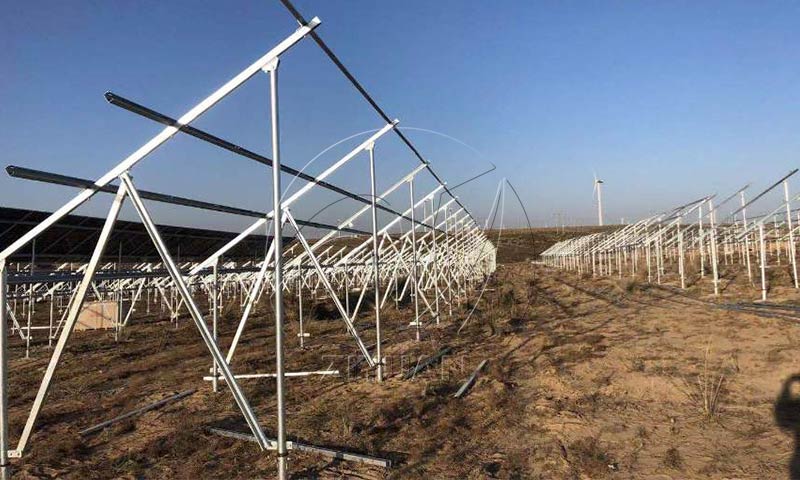
Ground screws demonstrate remarkable adaptability across diverse soil compositions and challenging terrain. Sandy soils with good drainage provide ideal installation conditions, while clay and mixed soil types also accommodate successful installation with appropriate depth and torque adjustments. Areas with rocky conditions or difficult accessibility can utilize pre-drilling techniques to ensure effective penetration.
The versatility of ground screw applications spans residential gardens to commercial installations. Common applications include:
- ✓ Deck supports and fence anchoring
- ✓ Storage shed foundations and carport bases
- ✓ Pergola installation and swingset anchoring
- ✓ Flagpole supports and solar panel mounting
- ✓ Container structure foundations
This wide-ranging applicability makes ground screws suitable for property owners, contractors, and developers tackling projects of varying scale and complexity.
Installation Flexibility for Challenging Conditions
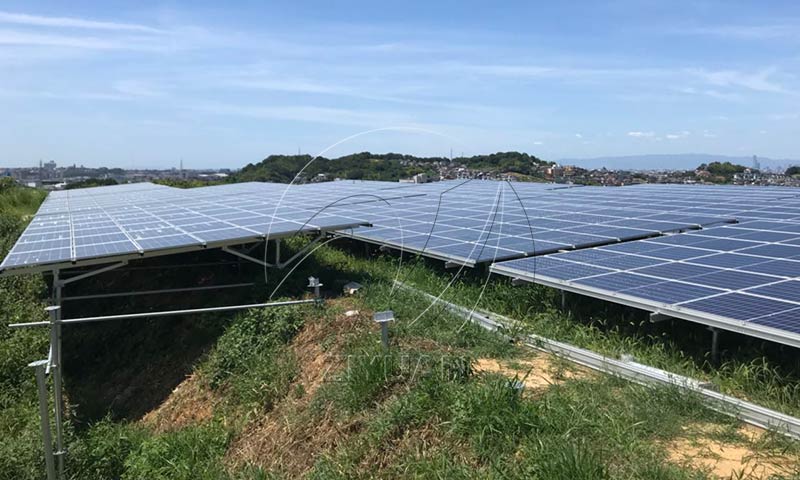
Ground screws excel in situations where traditional concrete foundations prove impractical. Sloped terrain, uneven ground surfaces, difficult-access locations, areas with existing utility lines, and wet or muddy conditions all present scenarios where ground screws outperform conventional methods. The lightweight installation equipment navigates tight spaces, bridges hazardous utility locations, and operates effectively on varied landscapes without specialized site preparation.
Soil Compatibility and Assessment
A professional soil survey provides essential information for determining optimal ground screw installation parameters. While ground screws function effectively in common soil types—including sandy, clayey, silty, and gravel compositions—the specific installation depth and screw specifications depend on detailed soil analysis. Areas with organic or peaty soils require installation below these layers to reach more stable strata, while rocky terrain may necessitate pre-drilling protocols. This soil-specific customization ensures maximum load-bearing capacity and long-term stability for each unique project.
Immediate Load-Bearing Capability
Unlike concrete foundations requiring days or weeks for proper curing, ground screws provide immediate load-bearing capacity upon installation completion. This instant functionality enables construction to proceed without delays, creating significant advantages for time-sensitive projects, seasonal construction windows, or situations where rapid project advancement proves essential.
Environmental Sustainability Considerations
The sustainability benefits of ground screws extend beyond carbon reduction. The preservation of soil structure maintains the natural insulating properties of earth, potentially reducing long-term building energy costs. The absence of surface sealing permits continued agricultural use of land and maintains natural water infiltration and drainage patterns. This ecological mindfulness aligns with modern construction industry priorities and regulatory environmental standards.
Choosing Ground Screws for Your Project
Ground screws represent an optimal foundation solution for property owners and developers seeking efficient, economical, and environmentally responsible anchoring systems. The combination of rapid installation, cost-effectiveness, durability, adaptability, and minimal environmental impact positions ground screws as a compelling alternative to traditional concrete foundations for diverse construction applications.
Whether planning a residential garden installation, commercial structure foundation, or specialized building project, ground screws merit consideration as part of the construction decision-making process. Professional assessment of site conditions and consultation with experienced installation specialists ensure optimal selection and implementation for individual project requirements.
The evolution of ground screw technology demonstrates how innovation in construction methods can deliver superior performance while reducing environmental impact and improving project efficiency. As construction practices continue advancing, ground screws represent a practical, proven solution available for modern building projects of all scales.
Author:
Ethan Cheng









If you're If you’re interested in our products our products, kindly provide your details including contact information, required items, quantity or capacity, construction timeframe, etc. We'll respond within 24 hours.

We have first-class production engineers, technicians and R & D team offering innovative design and
reliable solution to our customers based on years of experiences.

点击右上角
分享给朋友吧
CONTACT
 Tel/Fax:86 18030156785
 WhatsApp:18030156785
 Add: Room 808, NO.31 Anling Second Road Huli
Districtd, Xiamen, China
HOT TAGS
SUBSCRIBE US
Please read on, stay posted, subscribe, and wewelcome
you to tell us what you think.
Offcial Wechat:
Copyright © : 2015-2026 XIAMEN ZIYUAN TECH CO.,LTD All Rights Reserved. XML | PRIVACY POLICY | IPV6 NEXTWORK SUPPORTED
We have first-class production engineers, technicians and R & D team offering innovative design and reliable solution to our customers based on years of experiences.
点击右上角
分享给朋友吧
CONTACT US
Tel/Fax:86 18030156785
WhatsApp:18030156785
 Email: admin@ziyuansolar.com
Add: Room 808, NO.31 Anling Second Road Huli Districtd, Xiamen, China
Copyright © : 2015-2025 XIAMEN ZIYUAN TECH CO.,LTD All Rights Reserved.
 Ziyuan Energy